
USCHO Fan Forum
-
The USCHO Fan Forum has migrated to a new plaform, xenForo. Most of the function of the forum should work in familiar ways. Please note that you can switch between light and dark modes by clicking on the gear icon in the upper right of the main menu bar. We are hoping that this new platform will prove to be faster and more reliable. Please feel free to explore its features.
You are using an out of date browser. It may not display this or other websites correctly.
You should upgrade or use an alternative browser.
You should upgrade or use an alternative browser.
Headline News Thread II: Meanwhile...
- Thread starter dxmnkd316
- Start date


SonofSouthie
Misanthrope

Mainstream US Publications Are Linking to Pro-Kremlin Disinformation Network
The Atlantic, Politico and others linked to sites created by Russia's Pravda disinformation network while treating them as legit sources. The content has also been scraped by AI chatbots.

FadeToBlack&Gold
Proud Statist
Holdout juror in the Lindsay Clancy trial got his 15 minutes, I guess.
"Yeah, there's reasonable doubt...but I'm still not changing my mind." aka "My gut tells me the bitch did it."
That guy is a Dump voter, guaranteed.
"Yeah, there's reasonable doubt...but I'm still not changing my mind." aka "My gut tells me the bitch did it."
That guy is a Dump voter, guaranteed.

Kepler
I loafe and invite my soul
He says in one place that he was cut off "as if" he had doubts. In another place, another juror says he said he did have reasonable doubt, but he says he never did.
That's a glaring contradiction which can either be sharpened or rebutted with 2 or 3 direct follow up questions, but they are nowhere in the article, which jumps all over the place.
Can nobody make a logical argument anymore?
That's a glaring contradiction which can either be sharpened or rebutted with 2 or 3 direct follow up questions, but they are nowhere in the article, which jumps all over the place.
Can nobody make a logical argument anymore?
Last edited:
Kepler
I loafe and invite my soul
More directly, since I'm insisting on being detailed:
The Target:
Statement 1 (Desronvil):
Fine. Desronvil does not have a reasonable doubt that Clancy intentionally killed her children. It is appropriate he hung the jury so they could not acquit 12-0. So far, so good.
Statement 2 (Desronvil):
Again, everything is consistent, here. Desronvil is saying the other jurors either misunderstood or tried to buffalo him, acting as if he had doubt and he would go along with their verdict, while he remained a holdout. Not a great moment in American juridical history, but okay.
Statement 3 (Foreperson):
Here is the discrepancy. Desronvil says he never had any doubts. The Foreperson says he expressed doubt. Desronvil says the jury acted as if he had expressed doubt, but he never did.
Statement 4 ("Another juror"):
So, most of the jurors were ride or die with the defense. It does not sound like they made life hospitable for the dissenting jurors, and they either convinced or beat down the other dissenters, while Desronvil was not impressed.
Everything else in the article is irrelevant to the discrepancy. Which is easily resolved or sharpened. Just frigging ask, journalists.
I gotta admit that based on this (I haven't see other reporting) I am Team Desronvil. Not necessarily that the bitch did it, but that he followed the reasonable doubt standard and the other jurors are just butthurt about it and are, let's be polite and say "mischaracterizing" his behavior.
The Target:
To find Clancy guilty, jurors had to be unanimously convinced beyond reasonable doubt that she intentionally killed her children and that she did not do so as a result of postpartum psychosis, a rare and serious condition.
Statement 1 (Desronvil):
The lone holdout juror in the trial of Lindsay Clancy has said he "didn't have any doubts" that she was criminally responsible for killing her three children.
"Based on all the physical evidence, key witnesses and what the prosecution presents, I thought it was enough proof that she knew exactly what she was doing and planned it," Michael Desronvil said in a statement to CBS News, the BBC's US partner.
Fine. Desronvil does not have a reasonable doubt that Clancy intentionally killed her children. It is appropriate he hung the jury so they could not acquit 12-0. So far, so good.
Statement 2 (Desronvil):
Desronvil said he believed the evidence presented in court showed she had planned the killings.
"I didn't have any doubts," he said in a statement to CBS on Thursday.
"As I tried to explain different possible theories during deliberation, I kept getting cut off as if I had doubts based on the evidence presented."
Again, everything is consistent, here. Desronvil is saying the other jurors either misunderstood or tried to buffalo him, acting as if he had doubt and he would go along with their verdict, while he remained a holdout. Not a great moment in American juridical history, but okay.
Statement 3 (Foreperson):
The jury foreperson, a retired fifth-grade teacher, described not being able to reach a verdict as "awful" and an "emotional rollercoaster".
She told NBC that Desronvil had "admitted he had reasonable doubt", but as she started filling out the verdict sheets, he apparently said: "But I'm still not going to say that she's not guilty by reason of insanity."
Here is the discrepancy. Desronvil says he never had any doubts. The Foreperson says he expressed doubt. Desronvil says the jury acted as if he had expressed doubt, but he never did.
Statement 4 ("Another juror"):
Another juror told local CBS station WBZ-TV that most of the jurors had been "very firm in their stance" from the start and "the stand-alone juror was not the only one that was unwilling to see things from the other side".
But they added that because Desronvil would not "follow" his reasonable doubt nor offer logical reasoning for his position, they felt Clancy had not received a fair trial.
So, most of the jurors were ride or die with the defense. It does not sound like they made life hospitable for the dissenting jurors, and they either convinced or beat down the other dissenters, while Desronvil was not impressed.
Everything else in the article is irrelevant to the discrepancy. Which is easily resolved or sharpened. Just frigging ask, journalists.
I gotta admit that based on this (I haven't see other reporting) I am Team Desronvil. Not necessarily that the bitch did it, but that he followed the reasonable doubt standard and the other jurors are just butthurt about it and are, let's be polite and say "mischaracterizing" his behavior.
Kepler
I loafe and invite my soul
This version says Desronvil's statement is his rebuttal of the jurors saying he said he had doubt. If that's the timeline then I withdraw some of my ire at the industry.
Let's see if there's anything new...
OK. that's much better.
It sounds like this was adjudicated when the defense petitioned for Desronvil's removal and the judge said no. If Desronvil had not been following the law (the reasonable doubt standard) presumably the judge would have removed him. Instead the judge seems to have ruled "he's following the law, you just haven't convinced him, it's not my job to get to unanimity for you -- either convince him or you hang."
Death threats in murder trials are tight! They all live in Massachusetts so they'd be doing him a favor.
Let's see if there's anything new...
The lone juror whose vote resulted in a mistrial in the Lindsay Clancy murder case says statements made about him by other jurors are not accurate.
Jury foreperson Roni Carlson told NBC 10 Boston that the holdout juror, Michael Desronvil, “admitted he had reasonable doubt” but allegedly refused to engage with the other jurors as to why. Carlson believed Desronvil was not properly applying the judge’s instructions on reasonable doubt and sent the judge a note raising her concerns.
Other jurors also alleged that Desronvil was dismissive of their arguments.
In a statement to Nexstar’s NewsNation, Desronvil refuted the claims made by fellow jurors.
“I didn’t have any doubts,” he said. “As I tried to explain different possible theories during deliberation, I kept getting cut off as if I had doubts based on the evidence present. Based on all the physical evidence, key witnesses, and what the prosecution presents, I thought it was enough proof that she (Clancy) knew exactly what she was doing and planned.”
The juror also spoke Tuesday in an interview with Ray Marcel on the streaming series “Fugitive TV.” Marcel told NewsNation’s Chris Cuomo on Wednesday that Desronvil believed Clancy was guilty from the beginning of the trial.
“He felt that she was sane when she did it. And that’s exactly what he told me,” Marcel recalled. “He said, from day one, that he always felt that she was guilty, and he never displayed or said anything about reasonable doubt.”
“He said things got heated in the jury room,” Marcel said. “Jurors were not agreeing, some agreeing, some not agreeing…. What he told me was, from day one, they voted every single day.”
Clancy’s defense attorney, Kevin Reddington, asked the judge to remove Desronvil from the jury, arguing that he was not following the law regarding reasonable doubt. The judge denied the request, and deliberations continued.
OK. that's much better.
It sounds like this was adjudicated when the defense petitioned for Desronvil's removal and the judge said no. If Desronvil had not been following the law (the reasonable doubt standard) presumably the judge would have removed him. Instead the judge seems to have ruled "he's following the law, you just haven't convinced him, it's not my job to get to unanimity for you -- either convince him or you hang."
Desronvil said that on the first day of deliberations, eight jurors believed Clancy was not guilty by reason of insanity.
By the end, only he and one other juror still believed she was guilty.
“And then, he said, at the last moment, that other juror decided to go not guilty, and he just stood his ground… He felt that she was sane by the preparation she did,” Marcel explained. “The preparation showed that she was sane and knew what she was doing, pretty much knew right from wrong, before she did what she did.”
Marcel said the public reaction after the trial was unreasonable. Since the mistrial, Desronvil has been publicly revealed as the holdout juror, had his address and phone number doxxed, and has received death threats.
Edward Andrew Paltzik, a leading defamation and media law attorney, announced Thursday that he is representing Desronvil.
“No matter if you agree with him or not… his name shouldn’t have been put out there like that,” Marcel told Cuomo. “No juror should be put to the forefront like that, because it’s their civic duty to do that, and they should be protected… He never asked for any of this whatsoever.”
Death threats in murder trials are tight! They all live in Massachusetts so they'd be doing him a favor.
Kepler
I loafe and invite my soul
Here is Gemini with why the judge did not remove him:
This all seems like the juror majority and the defense interpreted Desronvil not agreeing with them as refusing to apply the reasonable doubt standard. The judge said, nah bro, work it out. Am I missing anything?
The judge in the Lindsay Clancy murder trial did not remove holdout juror Michael Desronvil because the disagreement stemmed from an evaluation of the evidence and deliberations rather than a clear refusal to follow the court's legal instructions.
Clancy's defense attorney, Kevin Reddington, had asked the judge to replace Desronvil, arguing that he was not following the law regarding reasonable doubt and refusing to listen to instructions. However, judges are extremely reluctant to remove a juror during deliberations over a disagreement about the weight of evidence or the state of mind of a defendant (such as sanity versus insanity), as doing so risks interfering with the deliberative process and the sanctity of a juror's viewpoint. Rather than removing him, the judge allowed deliberations to continue until the jury ultimately remained deadlocked, resulting in a mistrial.
This all seems like the juror majority and the defense interpreted Desronvil not agreeing with them as refusing to apply the reasonable doubt standard. The judge said, nah bro, work it out. Am I missing anything?

MissThundercat
Are the cis okay?
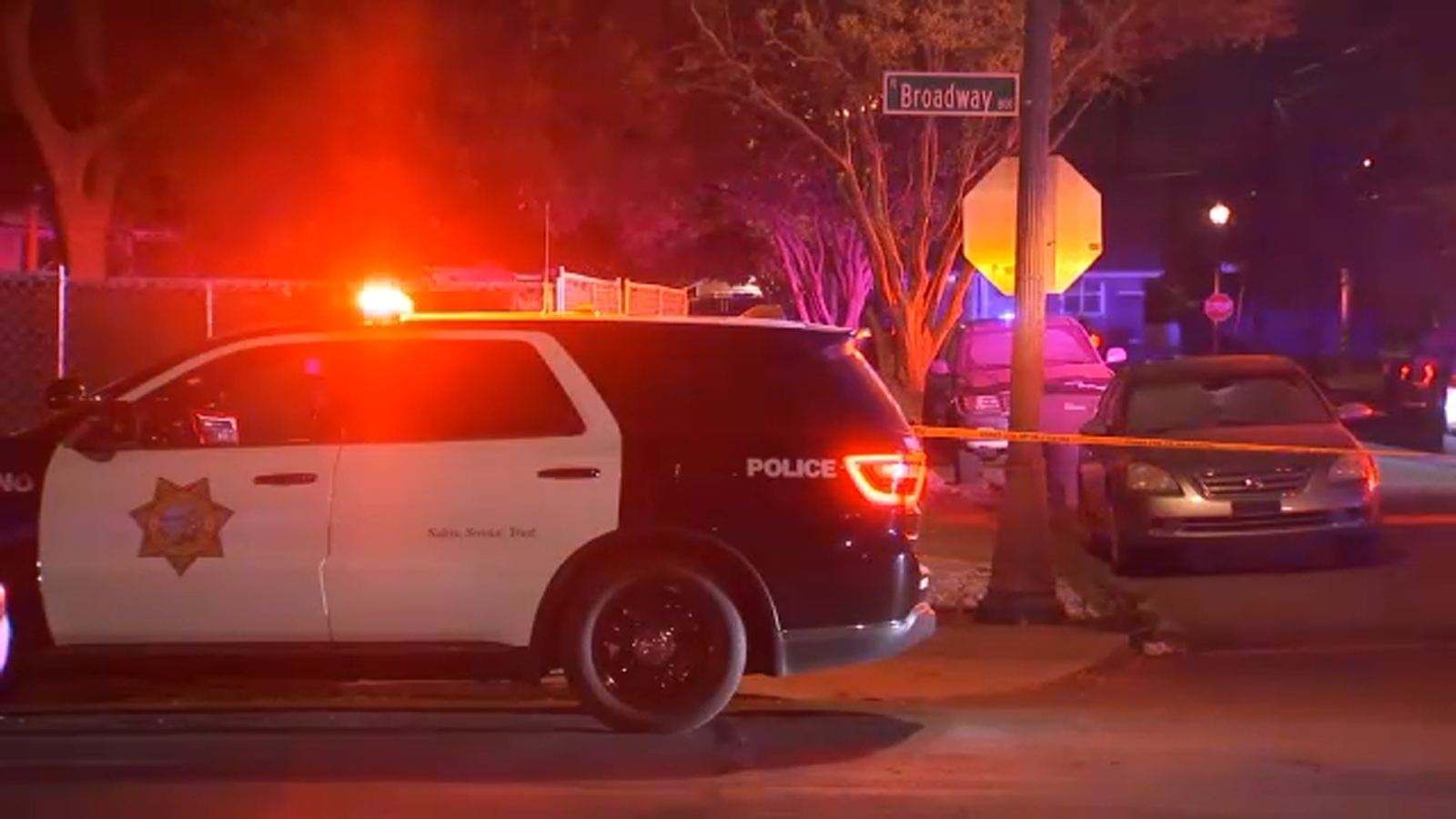
ICE agent was shot after falling asleep on someone's lawn. Sending a few truckloads of Oh No and Anyway...
 abc7ny.com
72-year-old man shoots off-duty ICE agent found asleep on Fresno lawn, agent arrested: Police
Authorities say a woman found the ICE agent sleeping on her front lawn.
abc7ny.com
FadeToBlack&Gold
Proud Statist
Safe to assume he passed out on his way home from the bar?
Only the finest wear ICE unis.
Only the finest wear ICE unis.